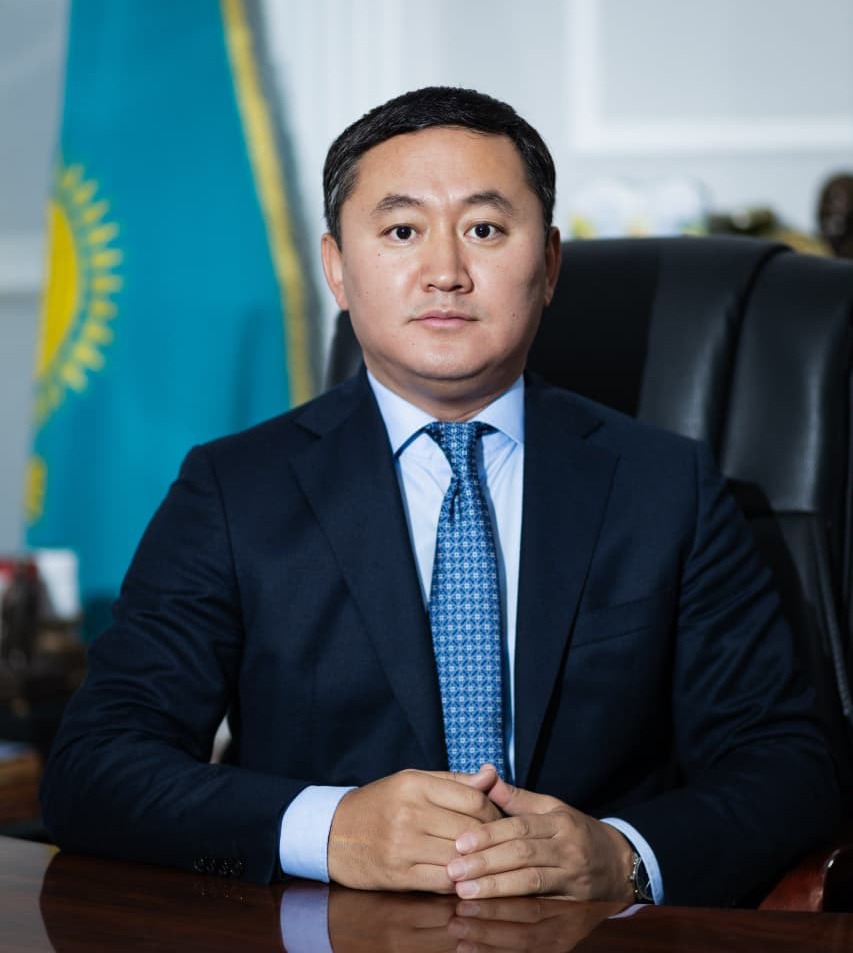
Tolegen Mukhtar Adilbekuly
Chairman of the Board – Rector of M. Auezov South Kazakhstan Research University, Doctor of Philosophy (PhD), Professor
Academician of the National Engineering Academy of the Republic of Kazakhstan
Leadership, the Academic Council, the Teaching and Methodological Council and university units.
Tolegen Mukhtar Adilbekuly
Chairman of the Board – Rector of M. Auezov South Kazakhstan Research University, Doctor of Philosophy (PhD), Professor
Academician of the National Engineering Academy of the Republic of Kazakhstan
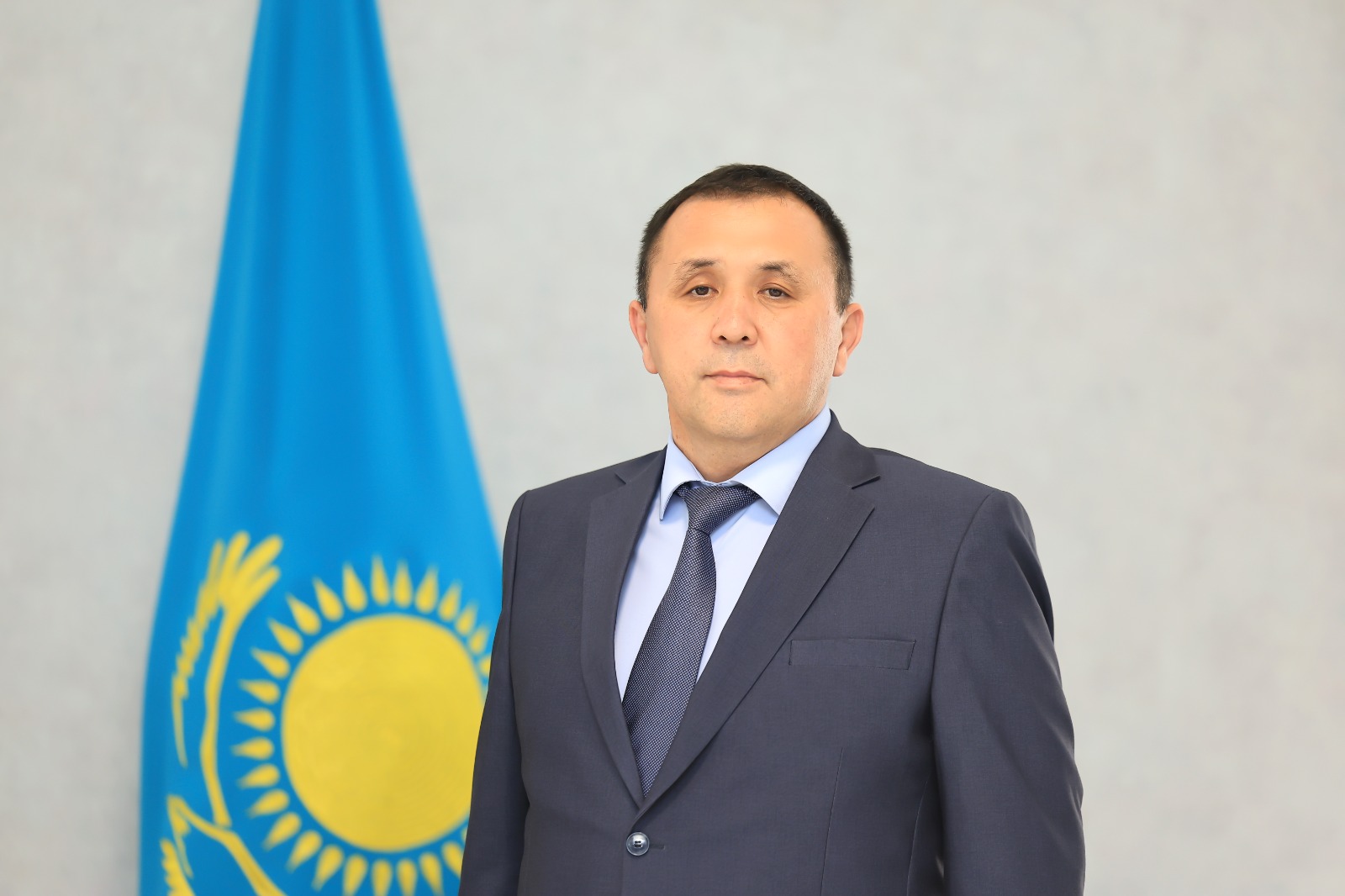
Sarykulov Kurmangaly Rakhimberdiyevich
Member of the Board – First Vice-Rector,
Candidate of Legal Sciences, Associate Professor
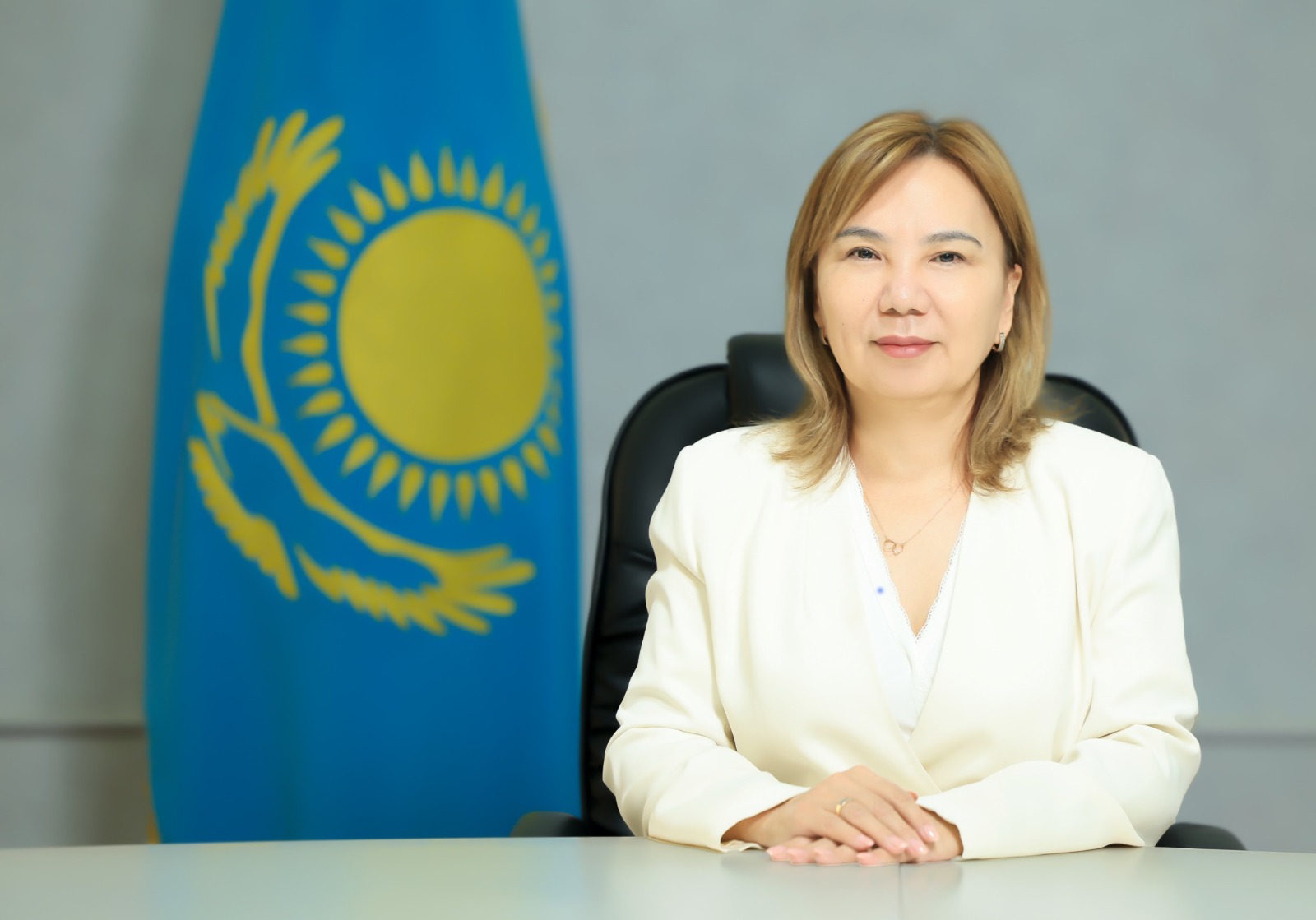
Kudretullayeva Rysgul Orynbasarovna
Member of the Board – Vice-Rector for Academic AffairsMore
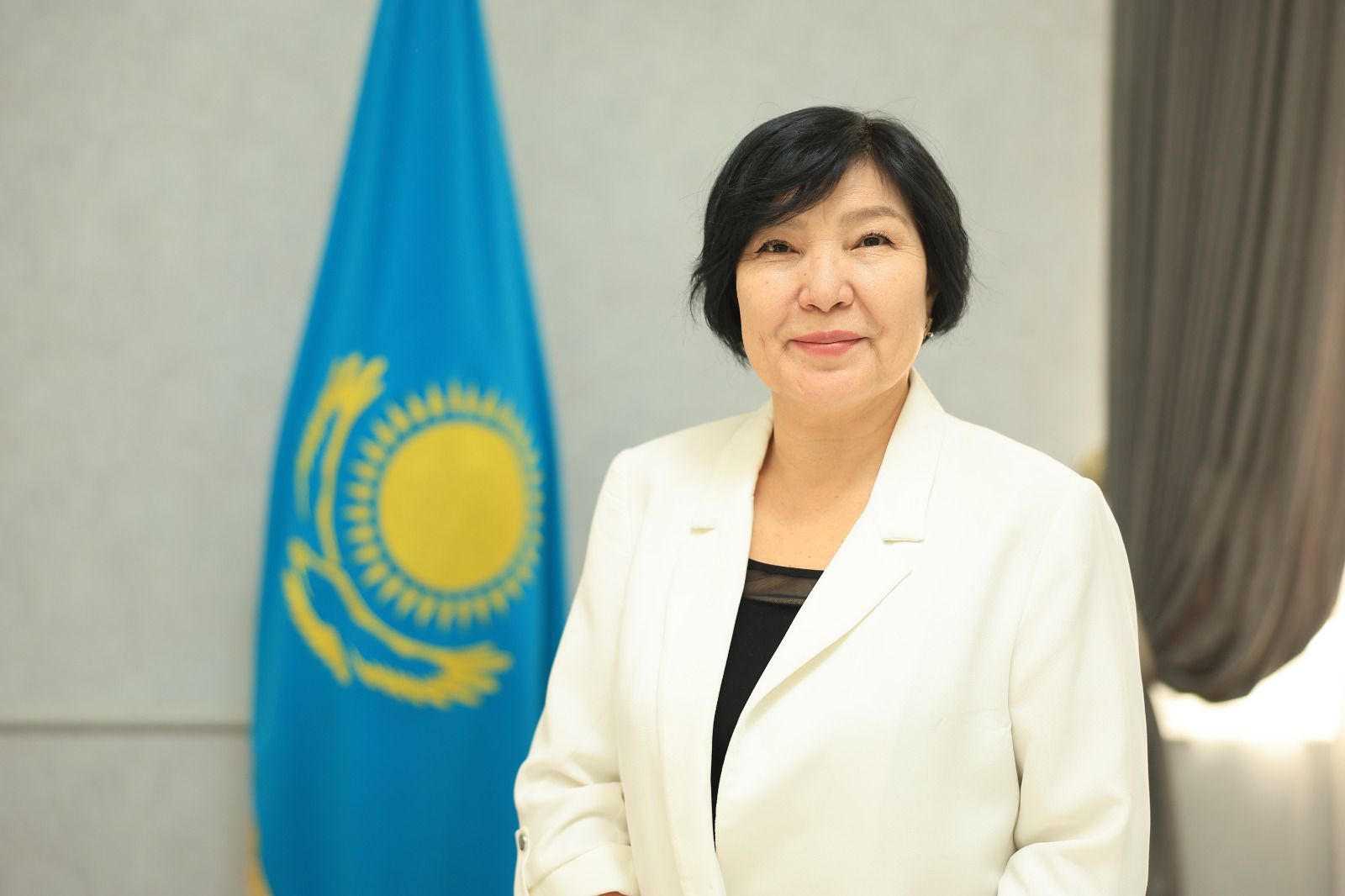
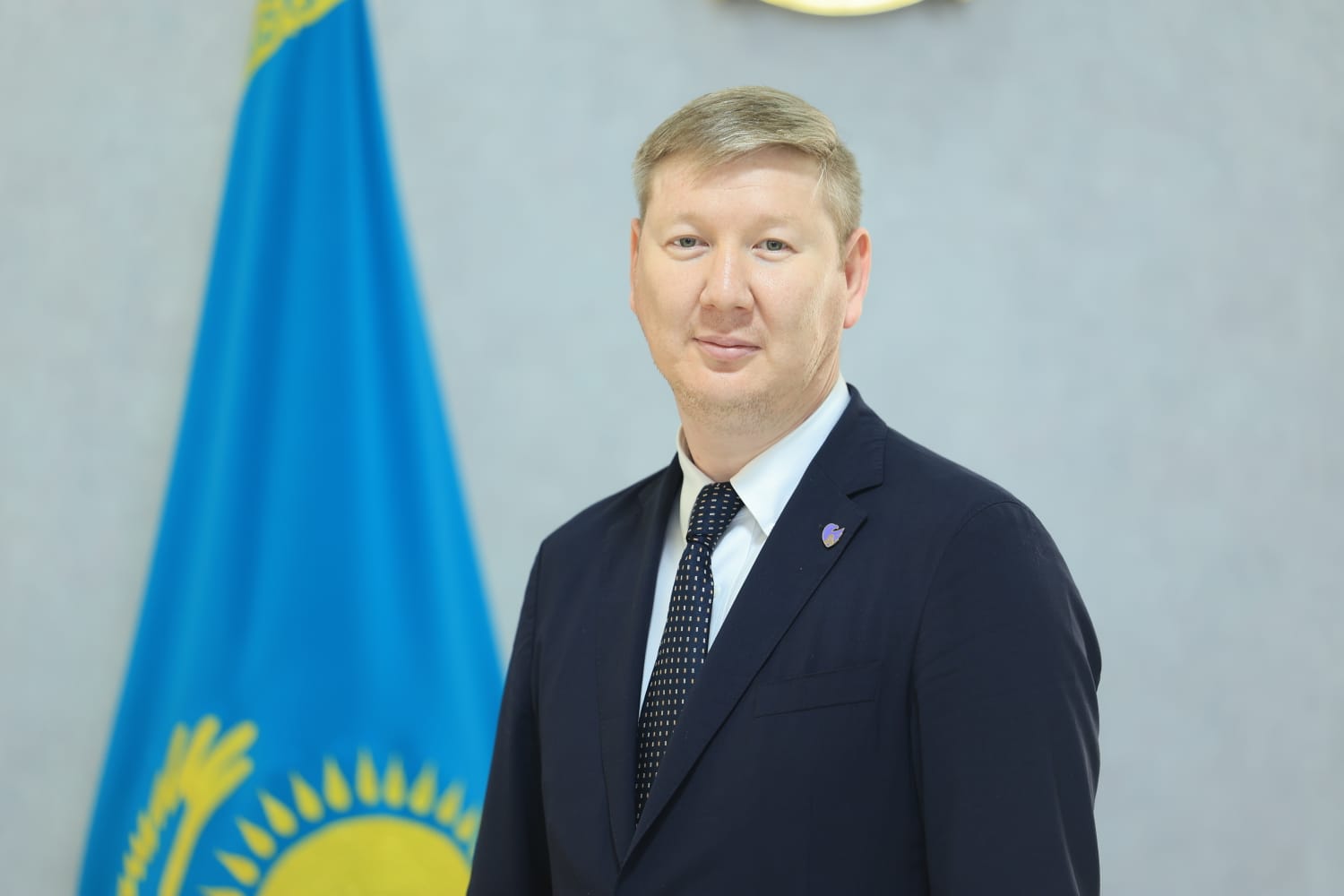
Gulnara Karbozova
Member of the Board – Vice-Rector for International Cooperation
More
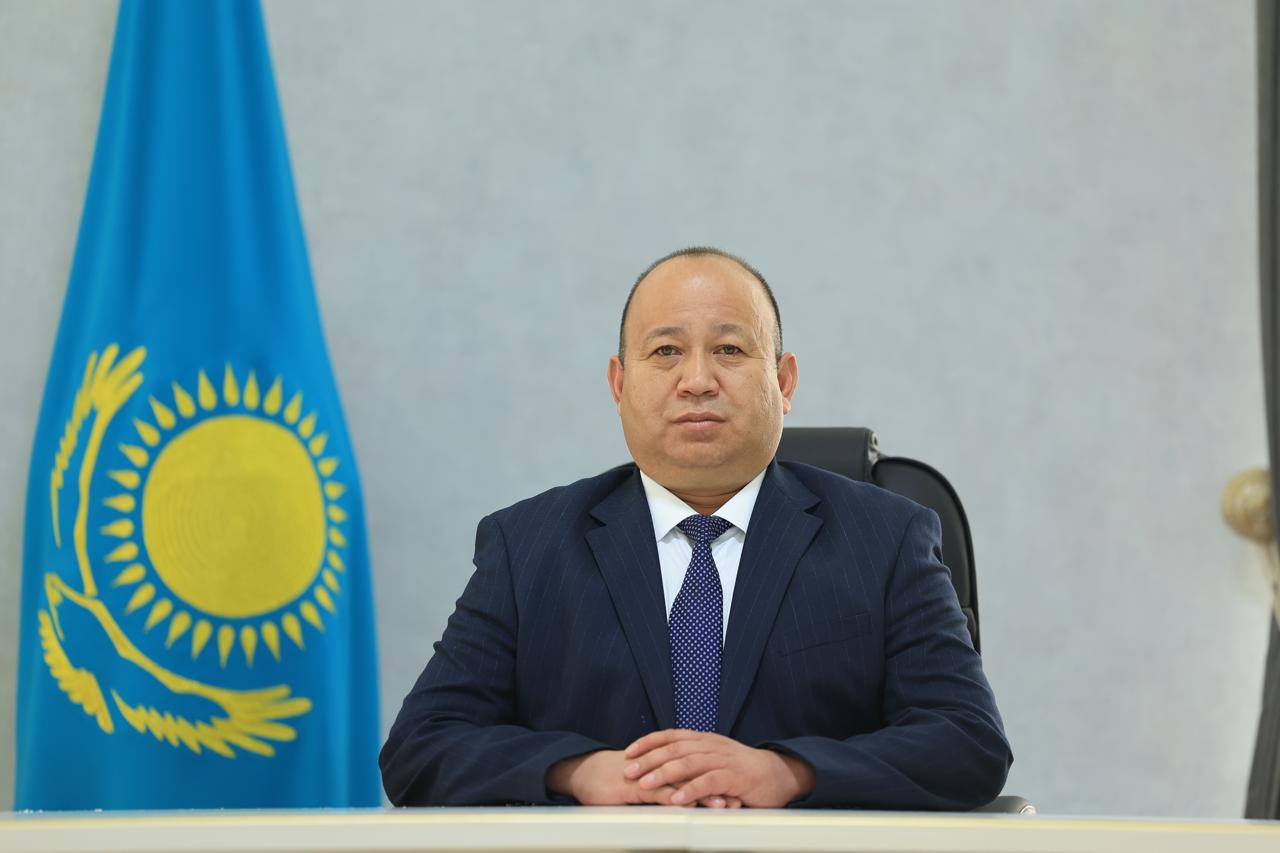
Zholdas A. Buribayev
Member of the Management Board, Vice-Rector for Digital Transformation, PhD, Associate ProfessorMore
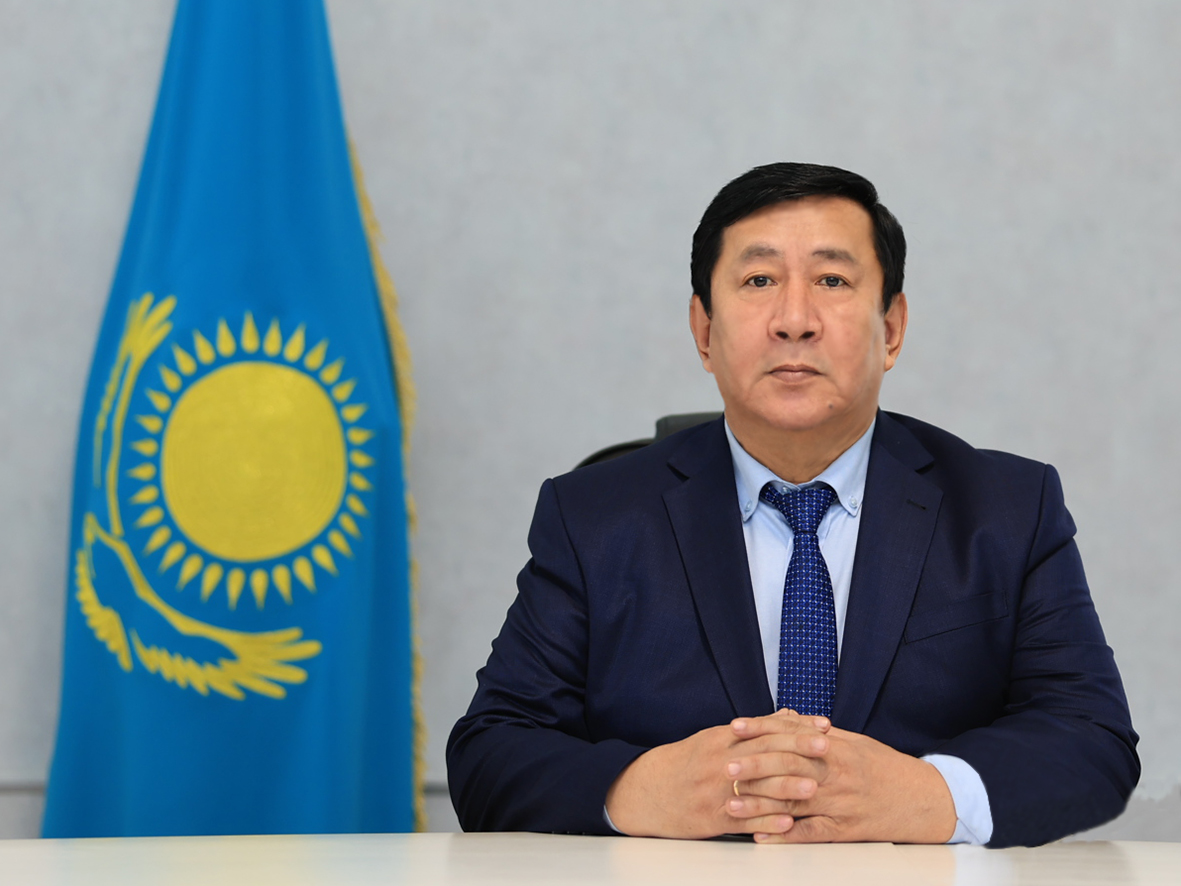
Besbayev Gani Abzelbekovich
Member of the Board, Vice-Rector for Social and Educational WorkMore
Beisenbayev Sadybek Kalmakhanovich
Vice-Rector for Public Relations and CultureMore
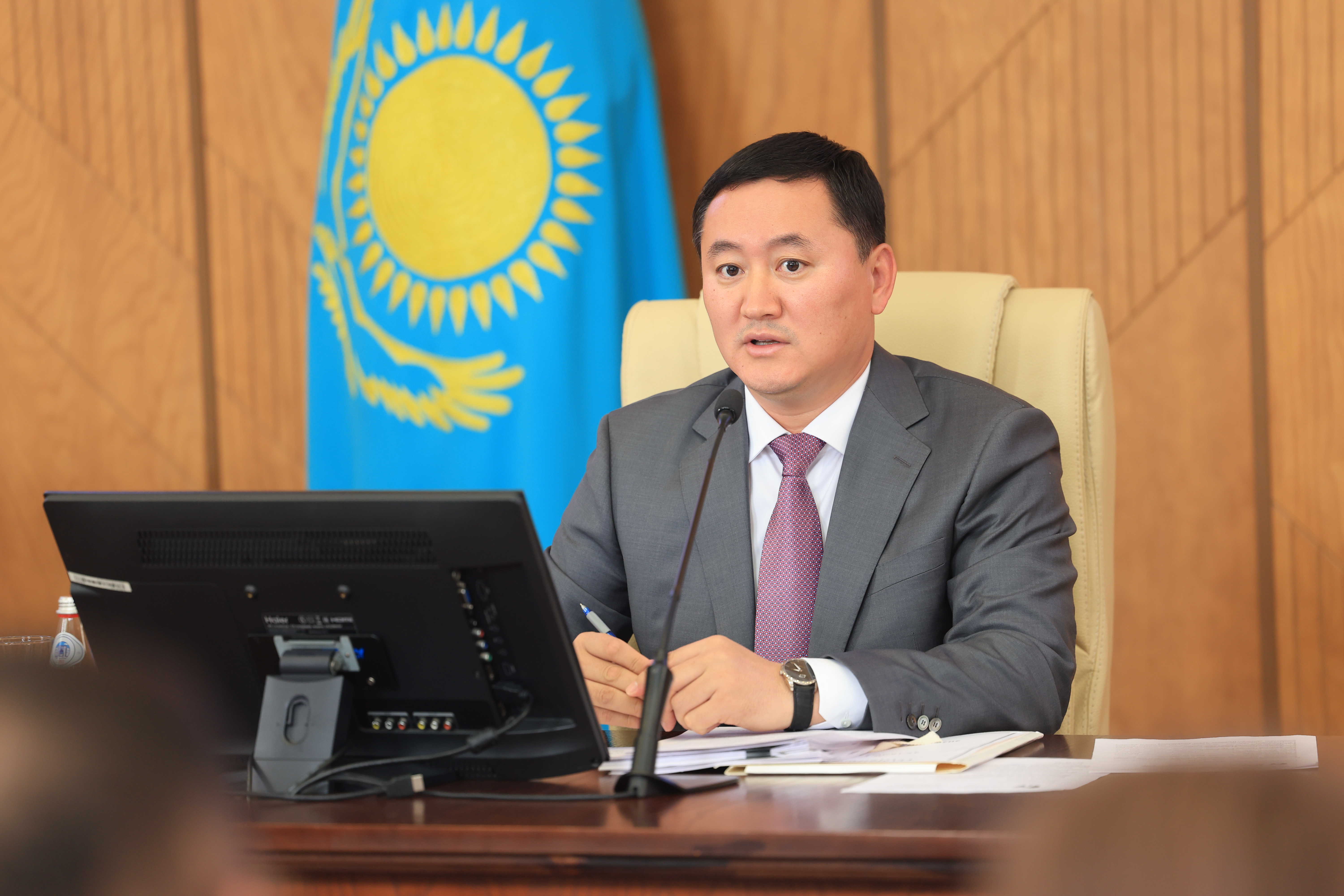
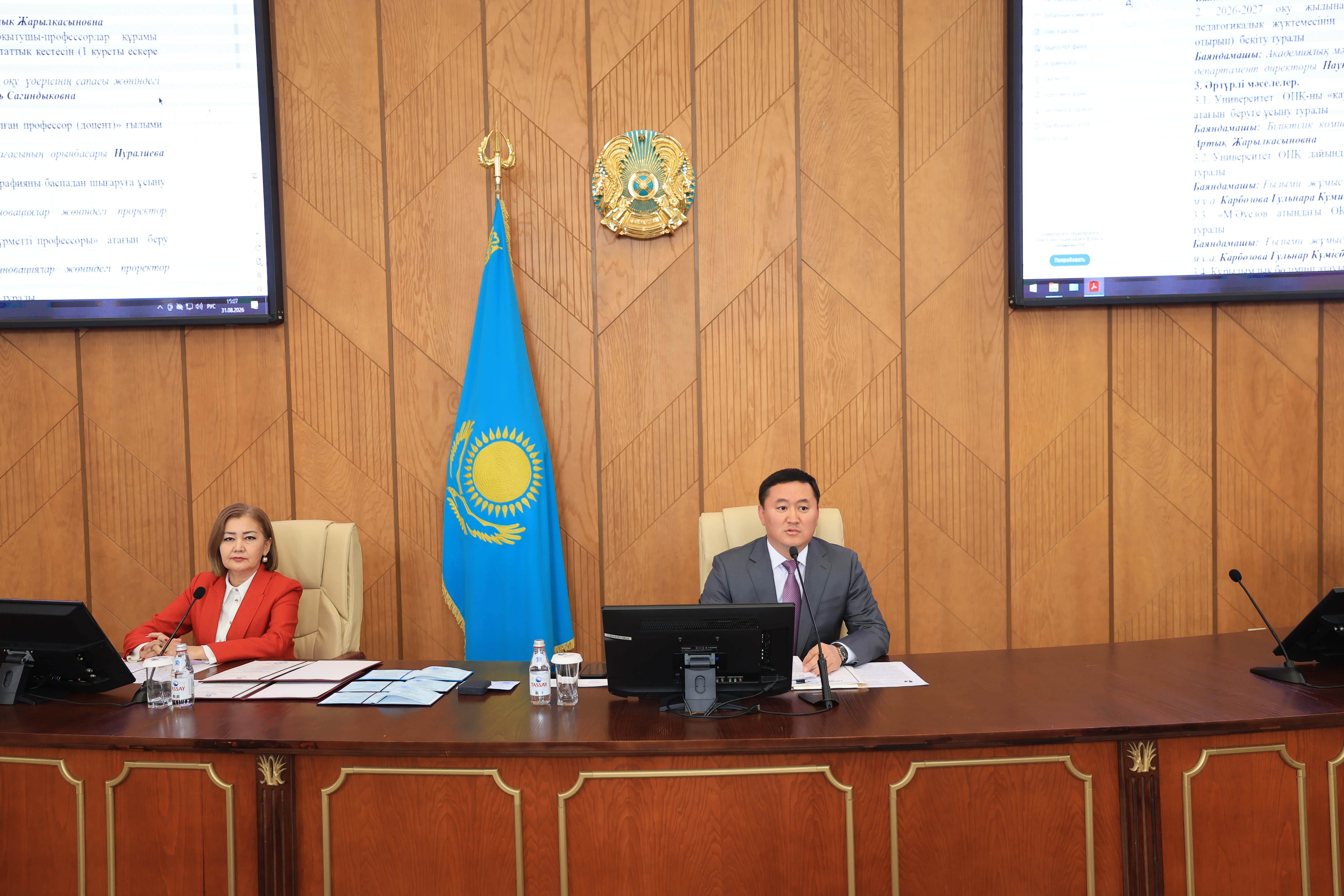
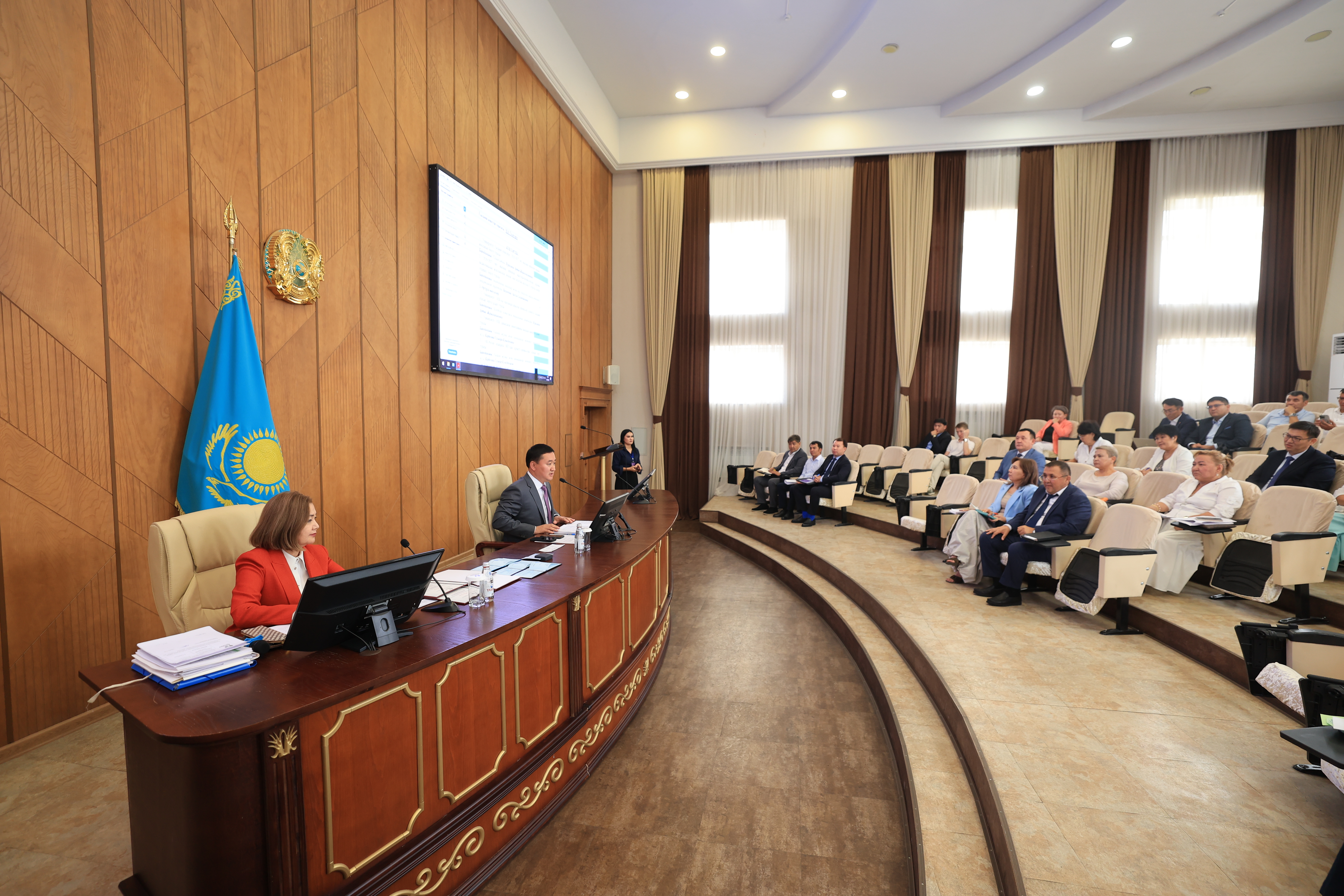
Academic Council
of M.Auezov South Kazakhstan State University
Academic Council, being the elective body, performs the general management of the university. It is one of the forms of the collective management of the higher educational institution.
The activity of the Academic Council is based on the legislation of the Republic of Kazakhstan, the rules of M.Auezov South Kazakhstan State University, as well as standard rules of Academic Council activities of higher educational institutions. (Ministry of Education and Science of Republic of Kazakhstan, order № 574, 22.11.07).
Academic Council meetings are held at least once a month in accordance with the confirmed plan of the work for the academic year.
The aims of the Academic Council activity are to develop priorities and principles of the university development, creation of the legislative mechanism for the qualitative training of graduates, preservation and increase of the material resources as well as teacher’s staff qualification, effective activity of the collective.
The competence of Academic Council includes:
Teaching – methodical council
The management of TMC’s activity is realized by the Chairman, Pro-rector responsible for Training and Teaching Methodical Works, Candidate of Engineering, Associate Professor – K.Baibolov.
The Secretary of TMC is Candidate of Chemistry, Professor - Tassybayeva Sholpan.
Primary purpose
Teaching-methodical council is one of the collegiate bodies of M. Auezov SKSU, coordinating methodical work at the University on the basis of the analysis of satisfaction level of students and teachers and the social needs. The TMC assists in development and conducting the arrangements directed to increase the efficiency and quality of academic process in professional training of specialists.
Normative bases of activity
Teaching-methodical council is guided by:
1. The law “About education” of the Republic of Kazakhstan dated from July 27, 2007.
2. The standard activity rules of Methodical (teaching-methodical, scientific-methodical) council and its election methods confirmed by the order of Minister of Education and Science of the Republic of Kazakhstan dated from December 21, 2007, No.644.
3. The policy in the sphere of quality of M. Auezov South-Kazakhstan State University, approved by the Academic Council on October 09, 2015.
Main tasks of teaching methodical council
Main tasks of council are:
Main directions of the TMC activity
The basic activity directions of the Council are:
organization and realization of seminars, conferences, meetings on the improvement of teaching-methodical and scientific-methodical work.
 |
Order of formation and structure of the TMC
The management of TMC activity is realized by the Chairman, - Pro-rector responsible for Teaching-Methodical Work.
The secretary is selected by open voting among the members of teaching-methodical council.
Personnel staff and work-plan of the TMC is approved annually by the rector according to the order of the University.
The term of TMC is 3 years with the possibility of an annual rotation.
The structure of the TMC is completed by the representatives of chairs, such as the teachers, Deans of the faculties (higher schools), pro-rector responsible for scientific research work and international cooperation, director of teaching-methodical union and others.
Work organization of the TMC
The work of the TMC is carried out according to the annual plan of work adopted at the TMC’s session and confirmed by the rector of the University.
The meeting of the Counsel is hold at least one time in two months that is on the third week of uneven month.
According to the results of the considered issues at the meeting of the TMC recommendations of the TMC are adopted by the majority of votes of attending members and fixed with the minute. The minutes of meetings and decisions of the TMC are signed by the chairman and the secretary of Teaching-methodical council.
The decisions of the TMC are obligatory for faculty (higher school) and chairs methodical bodies.
The Council is considered to be competent if attended by at least two third of its members.
Once a year the chairman reports about the results of the TMC activity to the Academic Council of the University.
Each member of the TMC should visit all sessions of council, take an active part in its work, in time and exactly perform assigned orders.
The responsible person for preparation of issues represents the materials to the TMC secretary a week before the council’s session.
The secretary places the current information on the TMC’s web-site.
Interrelations
The TMC interacts with methodical commissions of faculties (committees on innovational technologies of education and methodical provisions of higher schools) and directly with the responsible for methodical work of chairs, coordinates and controls their work.
Get in touch — we will help you find the information you need.