Quality of education
Programmes built around real-world tasks, placements and student project work.

The largest university in Kazakhstan by student numbers, and the intellectual and cultural centre of education and research in the south of the country. Founded in 1943.
University
The university’s positions in QS World University Rankings, QS Asia, subject and national rankings.
Open →Leadership, the Academic Council, the Teaching and Methodological Council and university units.
Open →The sole shareholder, the Board of Directors, the Corporate Secretary and governance documents.
Open →State regulations in the field of education and the internal regulations of the university.
Open →Standards of conduct for the faculty, staff and students of the university.
Open →The university’s quality objectives and policy, processes and documents of the quality management system.
Open →Institutional and programme accreditation of Auezov University.
Open →Students who bring honour to the university through achievements in science, sport and the arts.
Open →The theatre, museum, art studio, Zheti Asar, printing house and TV and radio centre of the university.
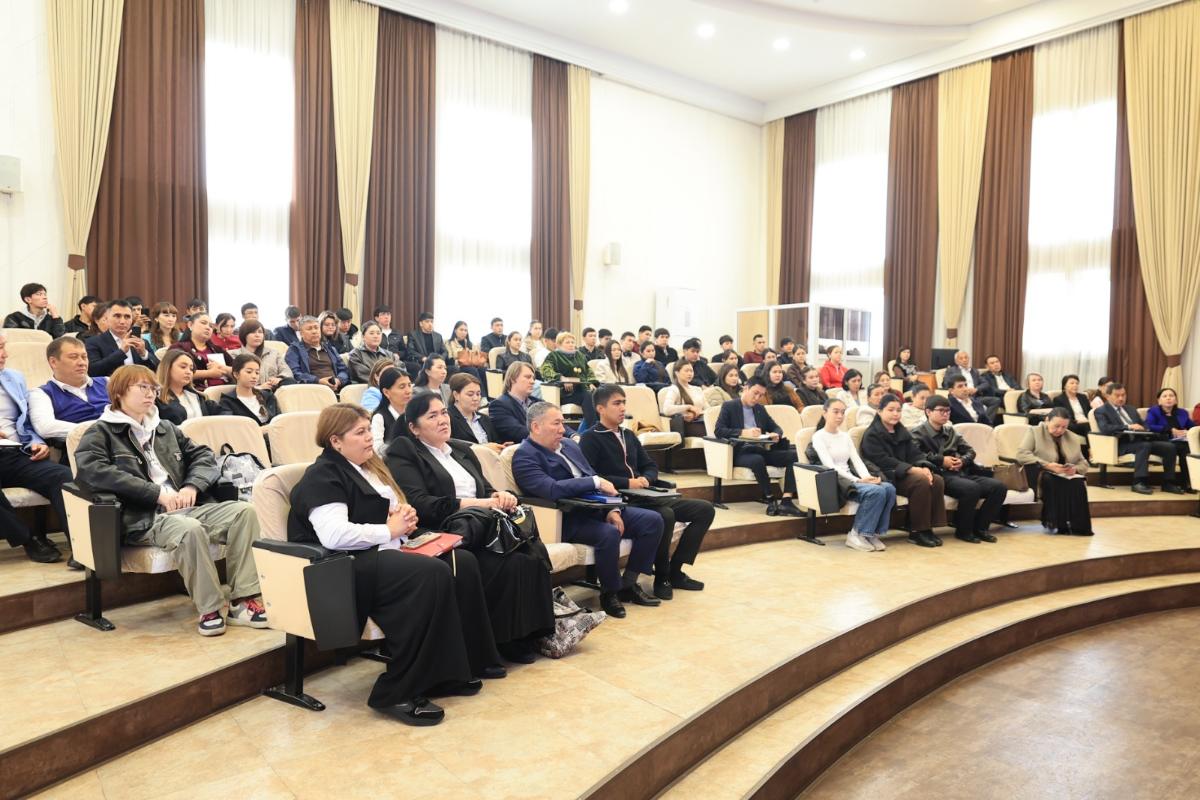
Open →Conference halls, photo and video galleries of the campus.
Open →The leaders of the university from 1943 to the present day.
Open →The university’s visual identity: logo, colours, fonts (PDF)
PDF →Generating new competencies and educating a leader who conveys a research mindset and culture.
The university is developing as a multi-disciplinary research centre: it updates its degree programmes to meet the needs of the regional economy, strengthens its research agenda and builds partnerships with employers, overseas universities and business.
Programmes built around real-world tasks, placements and student project work.
Research institutes, laboratories and support for the commercialisation of developments.
Public reporting, openly available documents and public reception by the rector.
Development programme. The university's current development programme covers 2024–2028; its text is published in the Open University section.
The university was founded in 1943 and has grown from a technological institute into the largest multi-disciplinary university in Kazakhstan.
The institution is founded: a technological institute that gave rise to the university.
Development of engineering and technology programmes for the region's industry.
Transformation into the South Kazakhstan State University named after Mukhtar Auezov.
Expansion of the range of degree programmes and the opening of new faculties and institutes.
Research status, higher schools, international partnerships and Erasmus+ projects.
Historical note. The exact dates and name changes follow the university's official chronology. Gallery of rectors →
Read more: Structure and leadership →
The university comprises faculties, higher schools, research institutes, a college and a preparatory department. Every unit follows the same template: about the unit, governance, departments, programmes, academic staff, research, international links, student life, news and contacts.
Overall management of the university, development strategy, public reception on personal matters.
Academic policy, research and innovation, student affairs, international cooperation.
Decisions on the university's educational, research and financial activities.
Individual members. The current list of executives, telephone numbers and reception hours is published in the contacts section and on the official website auezov.edu.kz.
| Ranking | Position | Comment |
|---|---|---|
| QS World University Rankings | top 731+ | Global university ranking |
| Webometrics | top 5 | Among universities in Kazakhstan |
| National rankings | leading positions | In engineering, agriculture and pedagogy |
The figures are given according to the university's official data and are updated when new editions of the rankings are published.
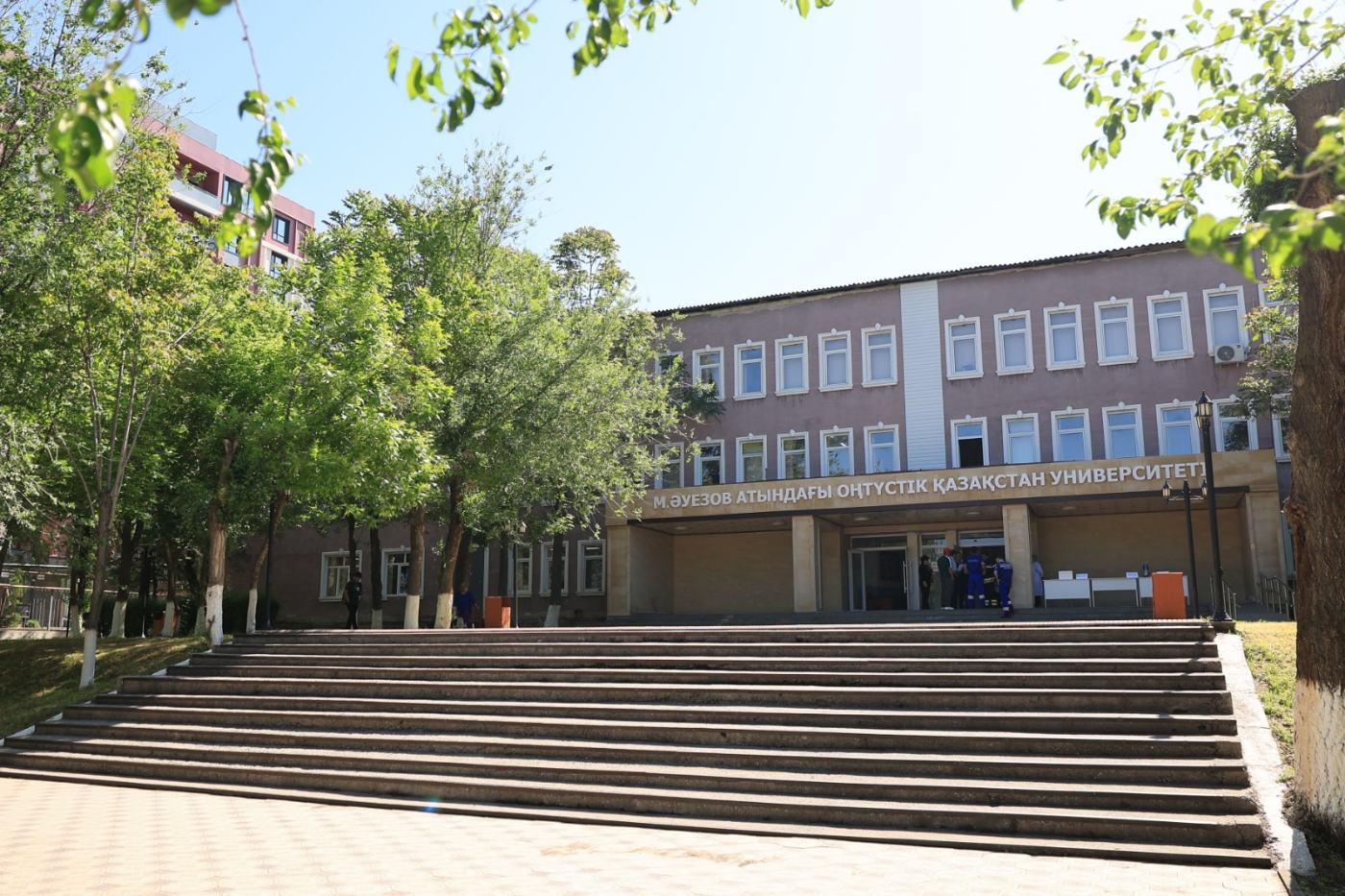
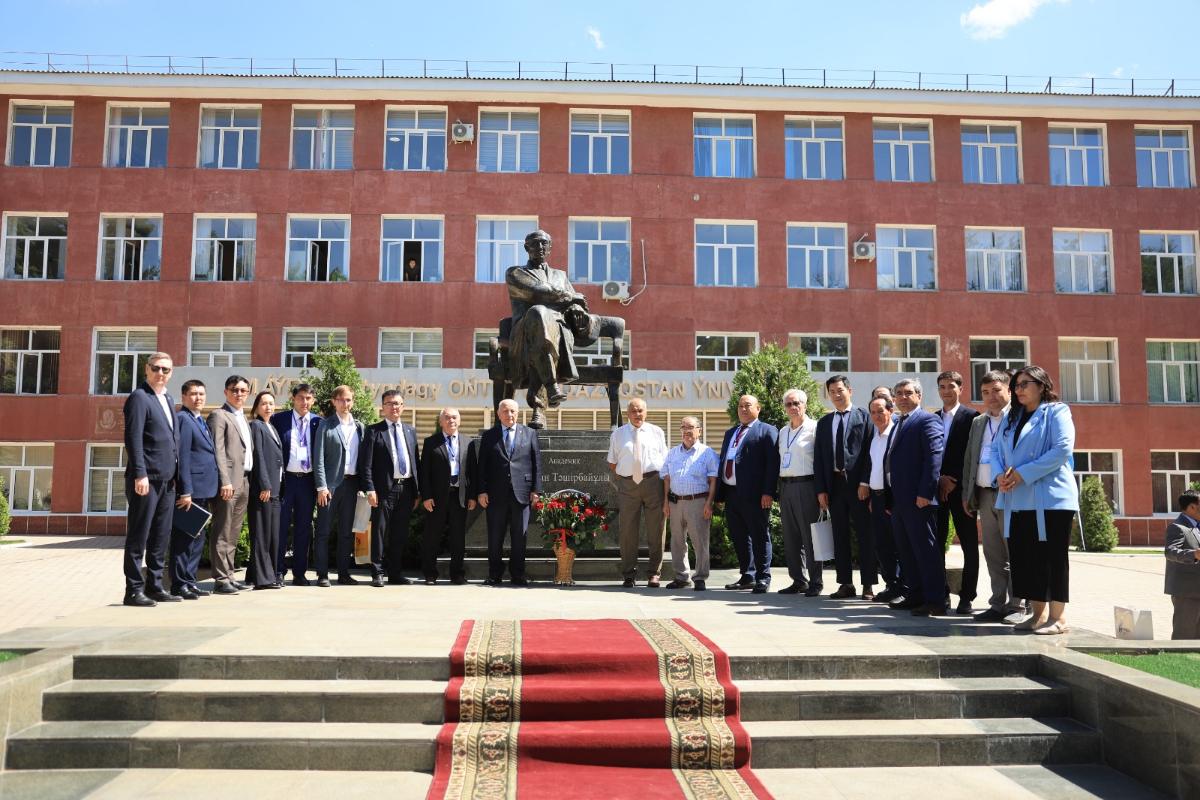
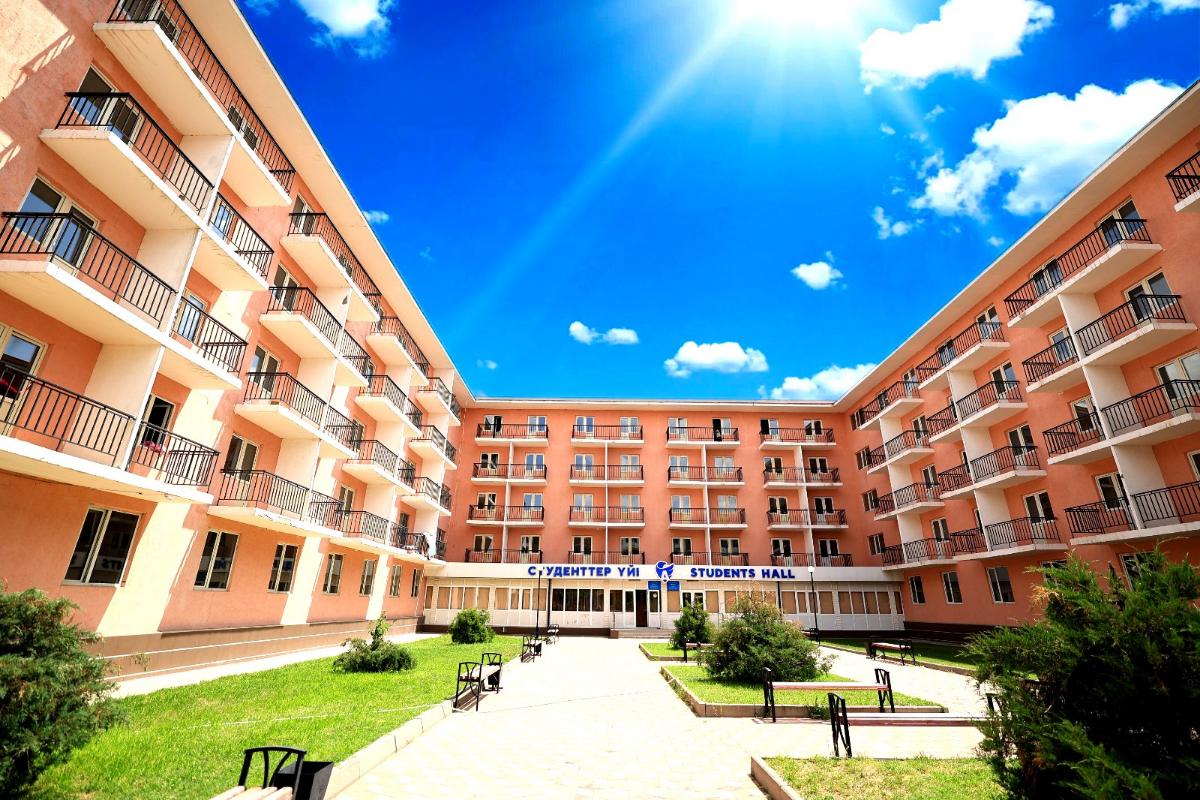
19 academic buildings, 3 sports complexes, 6 dormitories, research laboratories and shared-use centres, a museum, a theatre, a television and radio studio, a publishing house and a library.


317
degree programmes
173 bachelor's · 112 master's · 32 PhD
27 000+
students
more than 30% study on a state grant
19
academic buildings
including 3 sports complexes
754
academic staff with a research degree
116 doctors of science · 548 candidates · 90 PhD
Choose a programme in the catalogue or ask the admissions committee a question.